



Leaderboard
-
BryanJay
Members6Points200Posts -

kingsislandfan1972
Members5Points4,145Posts -
SonofBaconator
Members4Points7,481Posts -
Hawaiian Coasters 325
Members4Points4,287Posts



Popular Content
Showing content with the highest reputation on 09/01/2025 in all areas
-
4 pointsI’ve been marathoning it since 9:30 lol, I went on a walk on at park opening, then waiting 60 minutes immediately after, and then it’s been steadily around a 25-35 minute wait for most of the day. But crowds are starting to pick up now, the fastlane is out to the bridge which I’ve never seen before. The accessibility line at the exit to the ride also stretches outside, which is what I’ve seen as the main source slowing down the line. But like if you’re debating on wanting to come to the last rides tonight uhhhh…. It’s crowded! 200+ minutes. Go away! Run!4 points
-
3 pointsDo you think they really care? They have your money. I'm sure there is verbiage in the terms and conditions that allow for "availability" of spots. Poor Saleem. He wanted Six Flags to be the Target of the industry, not the Walmart. Now, we have sunk below Walmart, Dollar General. We are that Mennonite store that sells expired rejects from the Amazon return pallets after they've been crushed and excreted on.3 points
-
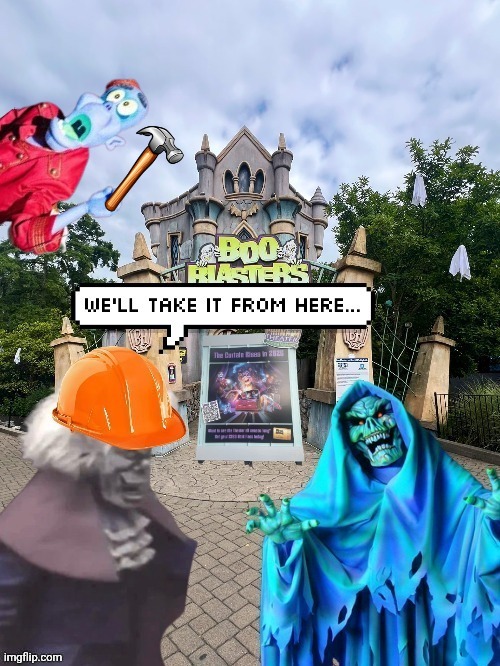
As Boo Blasters is officially no more, construction is set to begin on the transformation into Phantom Theater: Opening Nightmare set to debut in Spring 2026. This thread will be used to document the construction progress of this exciting "rebirth" of a former beloved dark ride. As a reminder to keep the terms of service in mind when posting on here and to only get pics in authorized areas. To view the terms of service, view here: https://KICentral.com/forums/topic/4128-terms-of-service/ Here's to another season of construction! To get things started here's the advertisement of this new ride outside of what once was Boo Blasters shared by @Losantiville Mining Co. in the announcement thread!2 points
-
2 points
-
2 pointsI’m sure this is a new entrance- but I’m confused as to why not use the current entrance for the building as opposed building a new one- are they anticipating it’s going to be a super long line?2 points
-
2 pointsNot much happening behind the Crypt building that can be seen Also, does anyone know the history behind this sign? Is it a reference to Steel Vengeance? It says, "powerful enough to drill through steel...with VENGEANCE"

 2 points
-
2 pointsIf they cared they would have expanded it previously before cutting the Prestige pass price. It is basically full already today and probably will be most days as these passholders tend to visit more.2 points
-
2 pointsIn my opinion as my experience... I think that the 2025 season has been really good so far! Going to try to return for WinterFest!2 points
-
I know this isn't likely, but something I was thinking about with the entrance and queue. Since this ride is going to be very popular and on busy days, Boo Blasters line tends to spill out on the midway, I think what they should do is connect the current queue house with the Peanuts Showplace and move the entrance to the ride to down by the Great Pumpkin Coaster in what is currently the entrance to the Peanuts Showplace. I honestly kinda like the wooded feel down there and it could make it feel like you're going into an overgrown/Haunted theater in the woods. Having 2 separate queue rooms also opens up potential to multiple scenes for this storytelling. I also was thinking if they choose not to go that route they could make the Peanuts Showplace into a Phantom Theater character meet and greet area and museum. If they wanted to create new props/decor for the new ride, they could then (if they still have them) display the old decor from the old Phantom Theater that they had in the PT Encore show lobby in the Peanuts Showplace.2 points
-
1 point
-
Whenever I ride The Racer and glance to my left, I still picture Firehawk sitting alongside Flight of Fear. Today that area is home to Orion, a giga coaster that undeniably represents progress for the park. Yet Firehawk continues to stand out in my memory, perhaps even more than Vortex, because of the unusual role it played in Kings Island’s coaster lineup. When it opened in 2007, Firehawk was not a brand-new, custom-built attraction like most of Kings Island’s major coasters. It was a relocation from Geauga Lake, where it had operated as X-Flight. Its arrival came at a pivotal moment: Cedar Fair had just acquired Kings Island from Paramount, and Firehawk provided a fresh experience that helped smooth the park’s transition into a new era. In a park known for groundbreaking originals like The Beast, Vortex, Son of Beast, Diamondback, and Orion, Firehawk often felt like the “adopted child.” It wasn’t designed for Kings Island, and its Flying Dutchman model was notorious for capacity issues. Yet it offered something the park lacked at the time - a flying coaster that flipped riders onto their stomachs and sent them soaring headfirst through drops, rolls, and dives. This gave Kings Island a unique draw in the late 2000s and positioned the park competitively within the region. Firehawk also served a practical role. It bought Cedar Fair time to prepare for Diamondback in 2009, which became the company’s first major new build at the park. Even after Diamondback’s debut, Firehawk maintained popularity until its removal in 2018, showing that its appeal endured beyond its initial novelty. The larger question is whether Firehawk deserves to be remembered in the same light as other departed Kings Island coasters such as Vortex, King Cobra, Screamin’ Demon, or Son of Beast. Those rides, for better or worse, were all original to the park and helped define its identity. Firehawk, by contrast, was inherited - but it still managed to leave a lasting impression. So how should Firehawk be viewed in the park’s history? Was it merely a stopgap, a secondhand addition that served its purpose, or did it truly earn a place in Kings Island’s coaster legacy alongside the originals? I’m curious how others rank Firehawk among the park’s lost attractions and whether its impact was greater than its relocated status might suggest.1 point
-
1 point
-
I wonder if Mike will be here for Haunt this year...
 1 point
-
I'll have to see if I can find the one I took on Friday, but that photo is just of one poster. They all say something to the extent of "Kings Island Presents The Circus".1 point
-
For those who were wondering like myself, I got confirmation that Rick Bastrup (one of the original creators of the original Phantom Theater) is working with Sally Dark Rides on Opening Nightmare, so I’m even more confident this ride will live up to the original.1 point
-
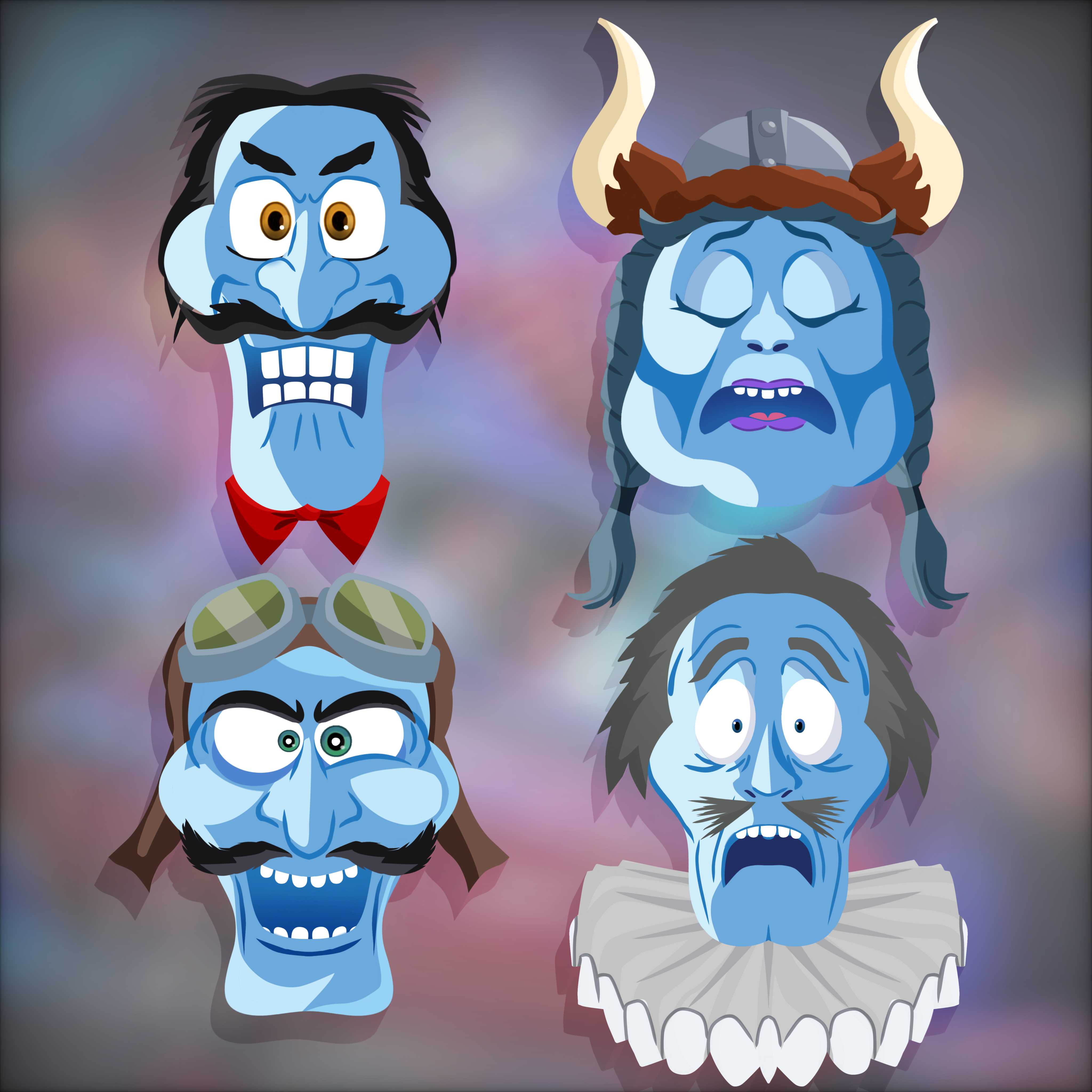
Drew the other characters in the style of the logo (better than the AI thing) Can’t wait to see what they look like and who makes an appearance in the final ride.
 1 point
-
100% agree here. This attraction seems to the be most reasonable compromise between what the old die hard PT fans wanted and also what the GP and average guests want. Alot of kids love the shooting aspect of boo Blaster so realistically it was a stretch to think that was ever going away. I agree that it can make a ride more re-rideable especially if the story isn't Disney caliber. I for one view this as a win - it should be better than boo Blaster. Will it be as good as the original PT? Probably not but hey it probably never was going to be that good and frankly the original was not built for the screen addicted generation of kids we have today. This ride will be more popular amongst families than if they brought back a carbon copy of the original1 point
-
ever since Knotts Berry Farm brought back Berry tales I had thought that Kings Island would get something like this. It’s a good way to still keep the shooting aspect while removing the bland theming, as well as cashing in on nostalgia. I think something that’s more important to know is that the Phantom theater IP is officially back! Sure there has been some merchandise out prior and we did have the two seasons of the show in the KI Theater- but after Paramount closed the ride in the early 2000s up until really the 2022 season of Cedar Fair ownership, guests were only ever exposed to Phantom Theater during Fearfest/Haunt when the props were displayed. It’s still baffles my mind that the fresh, original, IP just sat unused for 20 years. I know there are people who are upset that it’s not a complete return to what the park was given in the 90s, but with all things considered I say this is a fair compromise.1 point
-
It sounds like a nice way to get around using the locker machines. I wonder how it will hold up with the standard human competence as I have to assume someone will end up testing its resiliency. I'd really like to see if Kings Island could find a way to install queue line lockers like on Steel Vengeance and Siren's Curse. Mystic Timbers probably has one of the better setups to install them in the park, with the Stunt Coaster coming in close behind it. They might be able to do it for Banshee and The Beast with a little work. Diamondback, Orion, Adventure Express, and The Bat would probably do better with the Yukon Striker-style station baskets and some queue line/exit line work. I can't imagine how you accomplish any of this on The Racer. It's something interesting to think about.1 point




This leaderboard is set to New York/GMT-04:00